
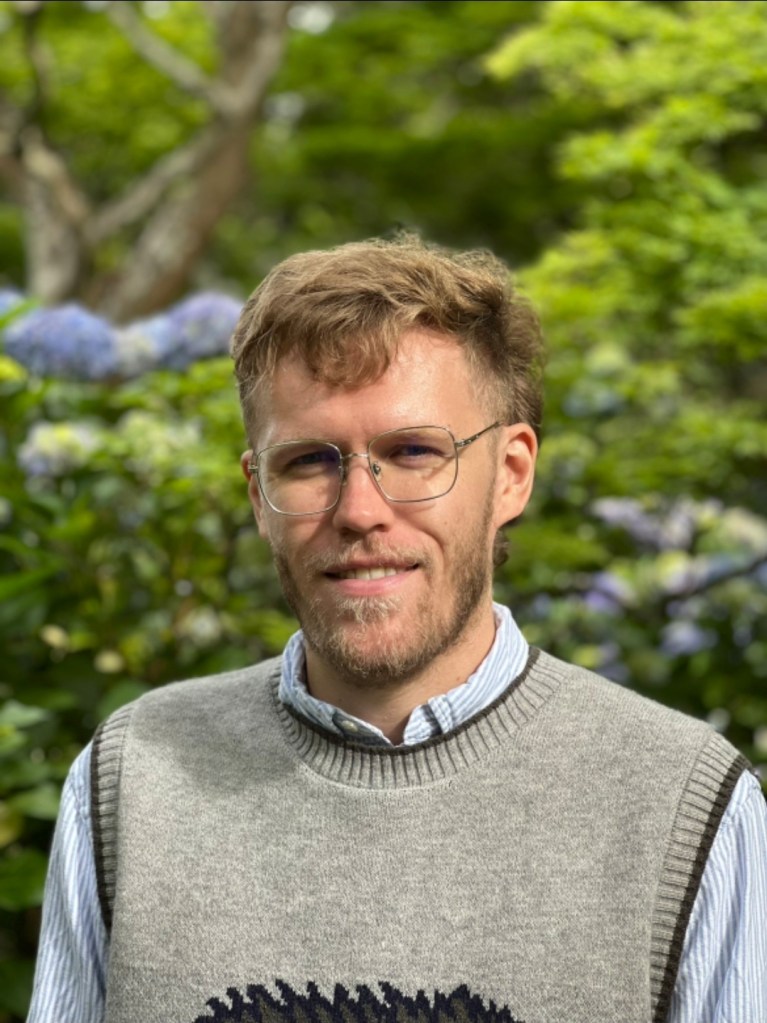
Clint Hurshman, PhD
Clint Hurshman is a philosopher of technology and research fellow at the National University of Singapore, Centre for Biomedical Ethics. He received his PhD in philosophy from the University of Kansas in 2025, and his research examines various topics in the ethics of technology, including informational privacy, anthropomorphism in AI, and algorithmically mediated influence.
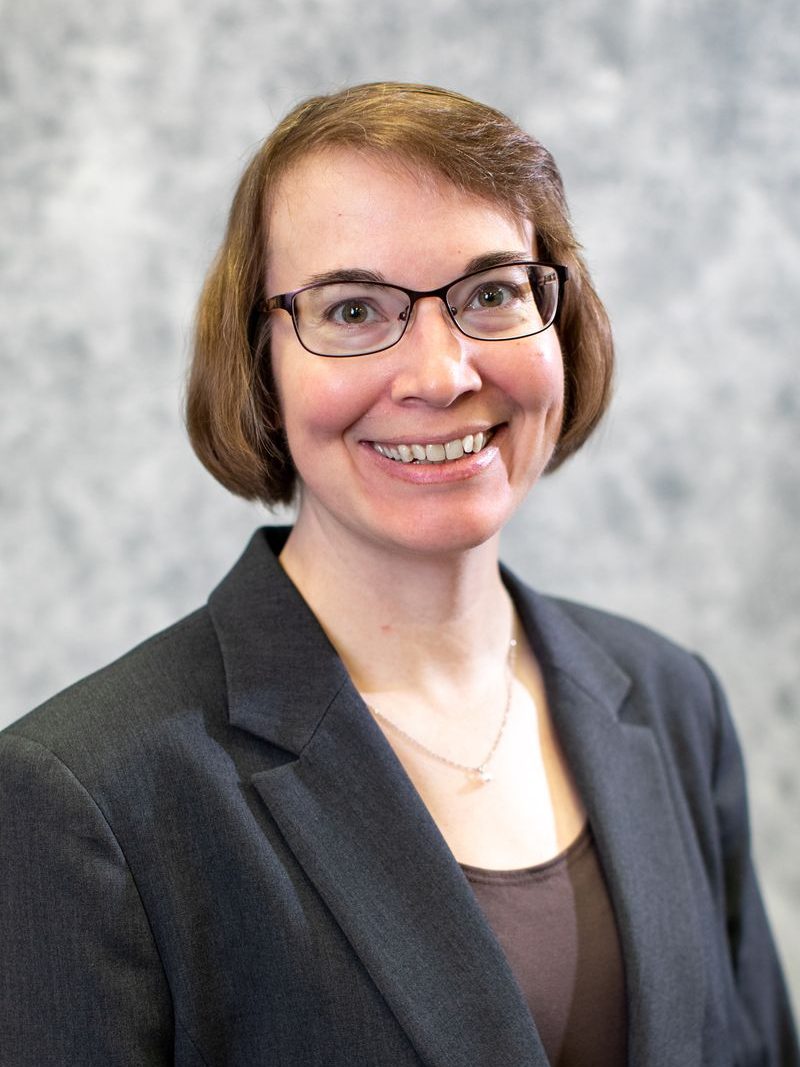
Robyn Gaier, PhD
Robyn Gaier earned a doctorate degree in Philosophy from Saint Louis University in St. Louis, Missouri. Gaier is the ethics area editor for the Southwest Philosophy Review journal and author of the book Why Suicide is Amoral: A Philosophical Account (Bloomsbury, 2024). Presently, Gaier is an Assistant Professor of Philosophy at Gannon University in Erie, Pennsylvania.
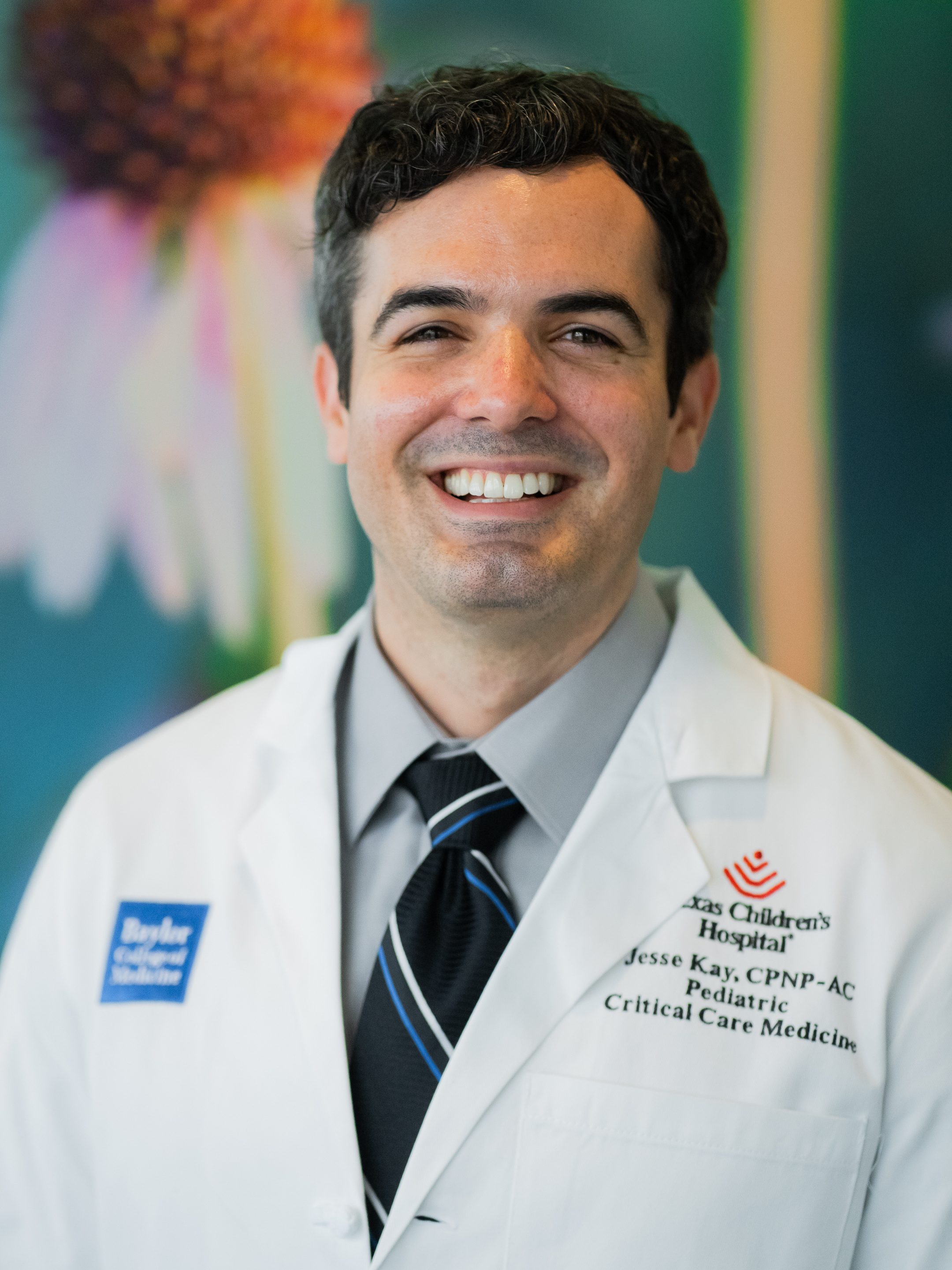
Jesse Kay, MSN, MA, APRN, CPNP-AC, CCRN
Jesse has practiced in pediatric critical care for over eleven years beginning with six years as a Registered Nurse. He graduated summa cum laude from Duke University with his Master of Science in Nursing and has been practicing as a nurse practitioner in pediatric critical care since. Throughout his experience, Jesse has been sensitive to the ethical challenges in patient care and graduated summa cum laude with his Master of Bioethics and certificate in Healthcare Ethics at Trinity International University. He was publishing in the journal of nursing ethics on the new role of the nurse practitioner ethicist in June of 2025. He currently serves on the Clinical Ethics Committee, assists with ethics consults, and serves as an IRB consultant at Baylor College of Medicine and Texas Children’s Hospital.
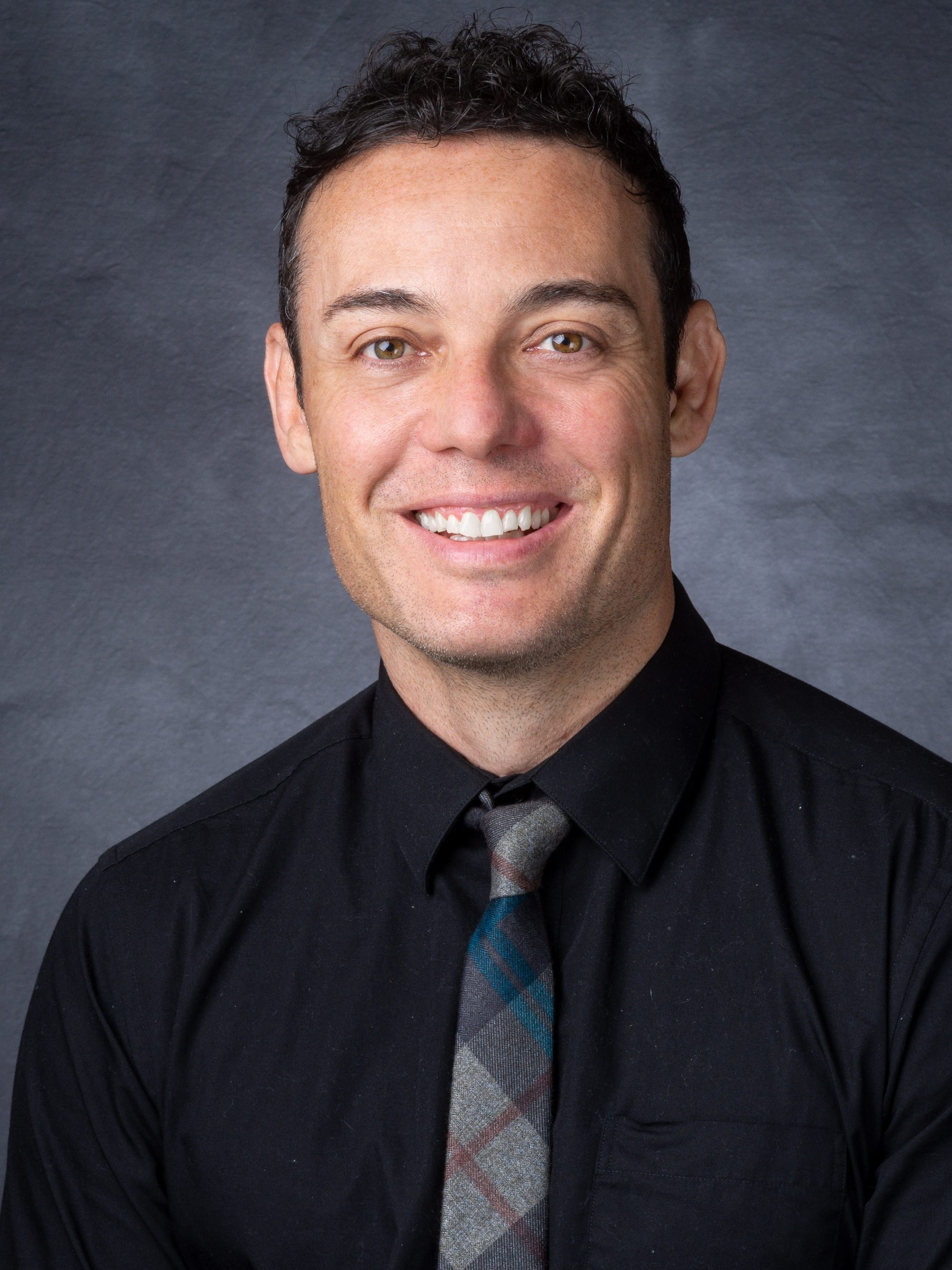
Amitabha Palmer, PhD, HEC-C
Amitabha (Ami) Palmer, PhD is an Assistant Professor and clinical ethicist at MD Anderson Cancer Center’s Center for Clinical Ethics in Cancer Care. He also holds an Affiliate Faculty position at the Institute for Data Science in Oncology where he provides ethical guidance and education for the development and design pipeline of new AI tools. His primary areas of research within the ethics of medical AI include participatory design, human-machine interaction, and deployment policy. He is also a longtime researcher of medical misinformation and has developed a conversation guide to help providers engage fruitfully with patients who endorse medical misinformation about cancer care.
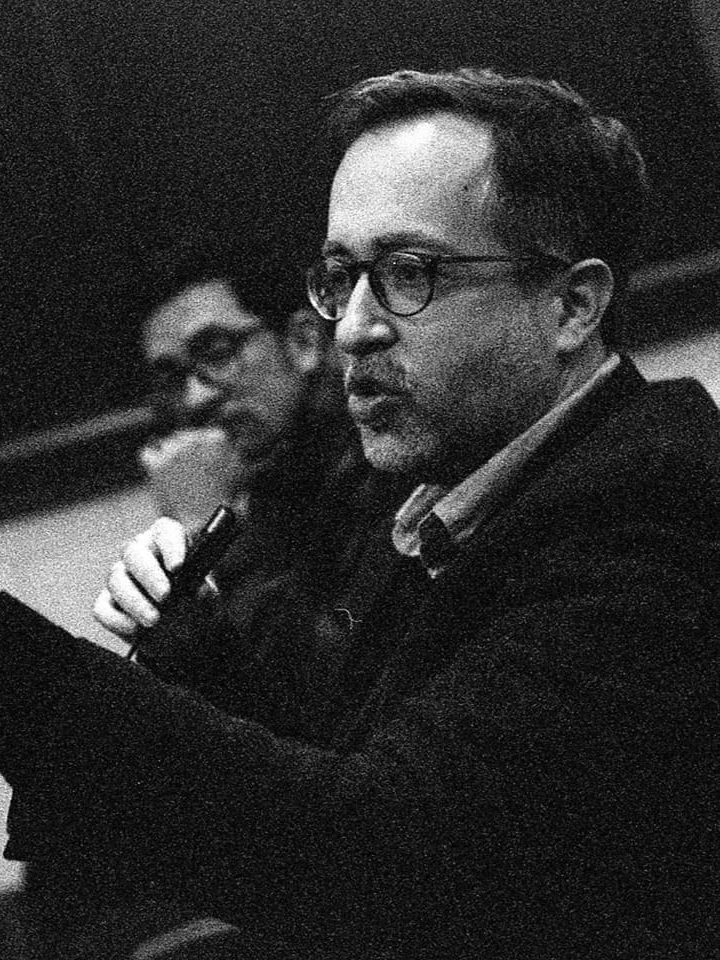
Nir Ben-Moshe, PhD
Nir Ben-Moshe is an Associate Professor in the Department of Philosophy and a Health Innovation Professor in the Carle Illinois College of Medicine at the University of Illinois Urbana-Champaign. He first studied at the Hebrew University of Jerusalem, where he completed a B.A. and two M.A.s in philosophy and psychology, including an M.A. in psychoanalytically-oriented clinical psychology. He then earned a Ph.D. in philosophy from the University of Chicago. Ben-Moshe’s research falls into two areas. The first area lies at the intersection of contemporary moral philosophy and 18th-century moral philosophy. The second area is biomedical ethics, especially the values at play in the physician-patient relationship.
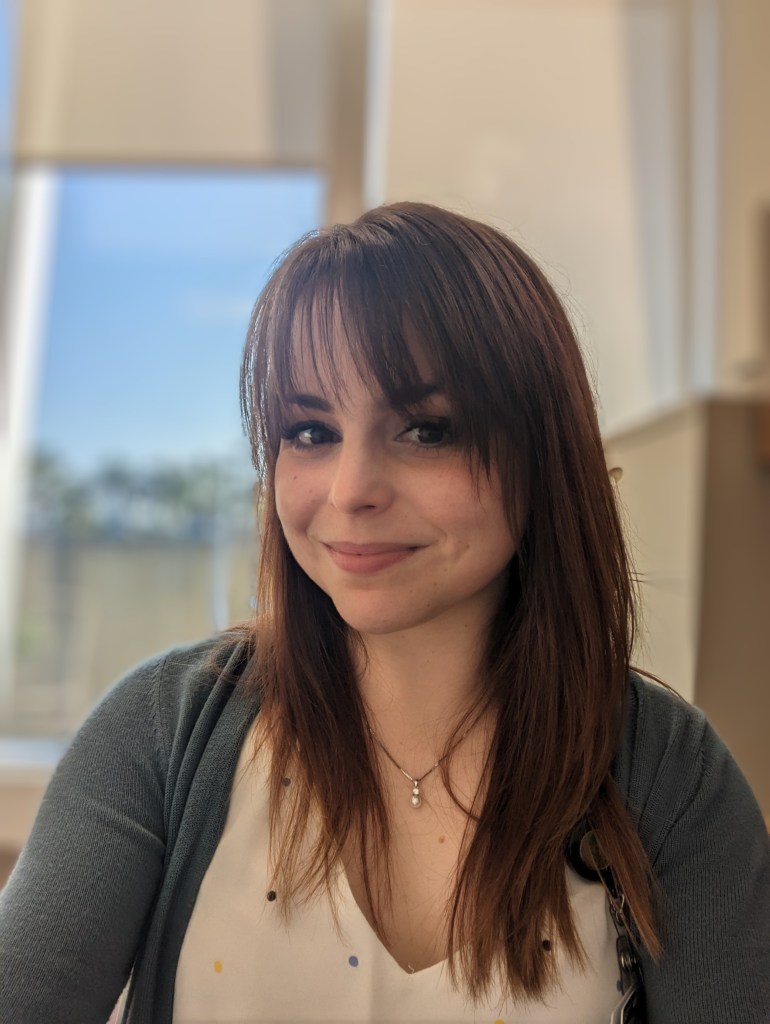
Eileen Phillips, DBE, HEC-C
Dr. Eileen Phillips earned her doctorate of bioethics from Loyola University Chicago, IL. Prior to this she obtained her masters of bioethics from The Ohio State University.
In 2016 she worked in HIV vaccine development as an army contractor. Following this she worked for The Ohio State University in translational spinal cord injury and rehabilitation research. She transitioned into patient care through clinical trials as a clinical research assistant then clinical research coordinator at Ohio State in neuro-oncology. She also was able to work part-time concurrently for IU health in their ethics department during the beginning of the COVID 19 pandemic, specifically working to resolve ethical issues surrounding COVID 19 positive psychiatric patients.
She then moved to Miami, FL where she worked as bioethics and patient rights coordinator until later moving to Columbus, OH where Dr. Phillips has been at OhioHealth since 2023 as a clinical ethicist.
She has taught medical ethics for learners from various healthcare professions at all levels and presented on a wide variety of ethics topics.
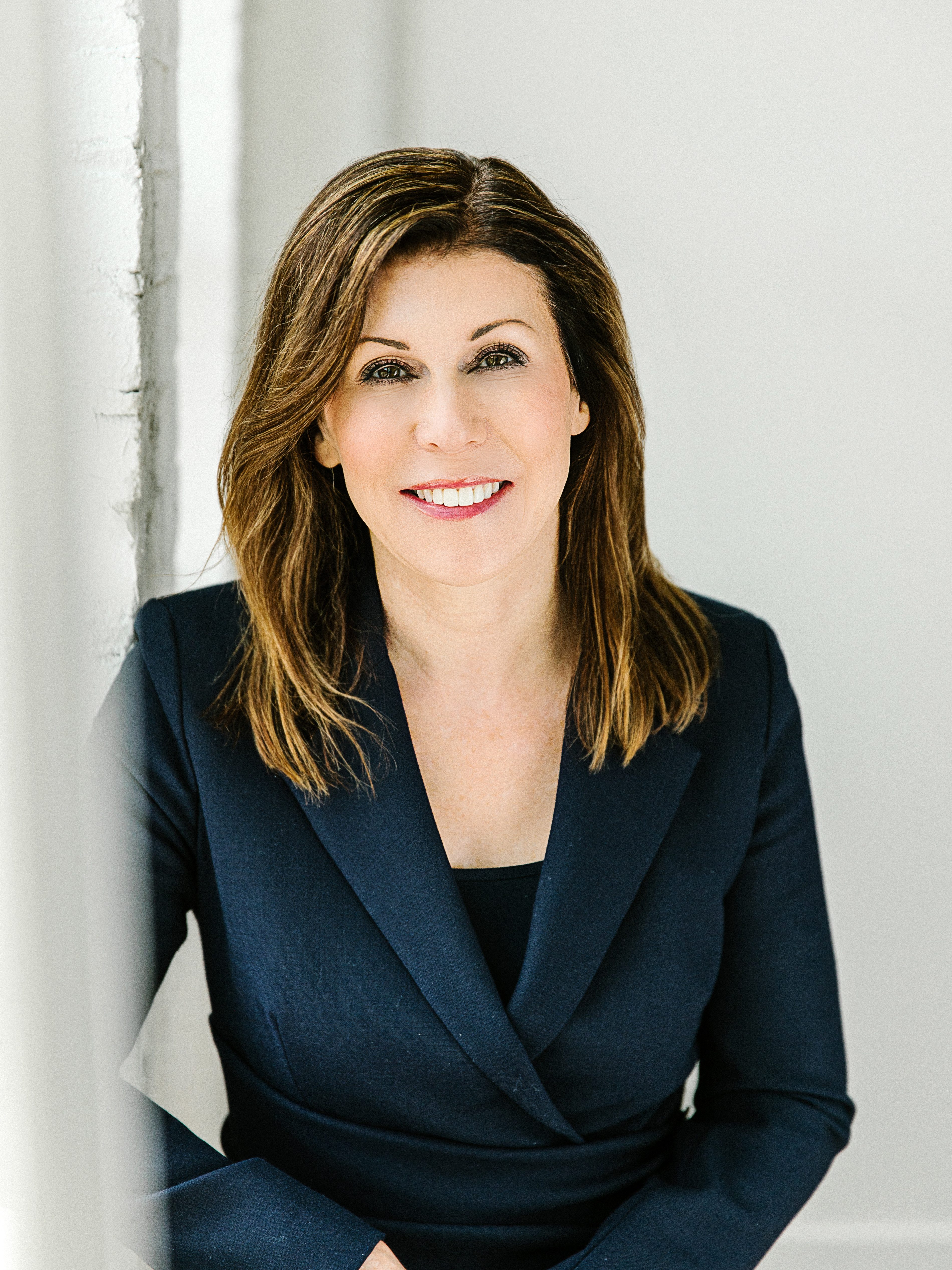
Melissa Fors Shackelford, MBA
Melissa Fors Shackelford is a trusted advisor and seasoned marketing executive with more than two decades of experience guiding healthcare organizations toward authentic, purpose-driven growth. Her career spans leadership roles at Optum, Hazelden Betty Ford, Cigna’s Evernorth Health Services, and LetsGetChecked, where she shaped brand strategy, led large-scale marketing transformations, and built teams that united mission and performance.
As founder of Shackelford Strategies, Melissa partners with healthcare executives, clinicians, and innovators to strengthen trust, equity, and connection across their communications. Her work helps organizations navigate complex challenges—whether redefining a brand after a merger, entering new markets, or rebuilding credibility with patients and communities. She believes marketing in healthcare carries both privilege and responsibility; that every message has the power to either strengthen or erode public trust.
Melissa is the author of Harnessing Purpose: A Marketer’s Guide to Inspiring Connection, which explores how clarity of purpose drives more ethical, inclusive, and effective engagement. A frequent keynote speaker and thought leader, she is known for her candor, empathy, and practical insights that bridge ethics and growth. Her guidance has influenced some of the nation’s leading health systems and life sciences organizations.
Named Nonprofit Marketer of the Year by the American Marketing Association and recognized among the Top 50 Women in Healthcare, Melissa continues to advance the field through her board service and mentorship. She holds an MBA in Marketing from the University of St. Thomas and a BA from the University of Minnesota.
Grounded in both strategy and compassion, Melissa helps leaders design marketing that earns trust, honors patients, and drives meaningful change in healthcare.
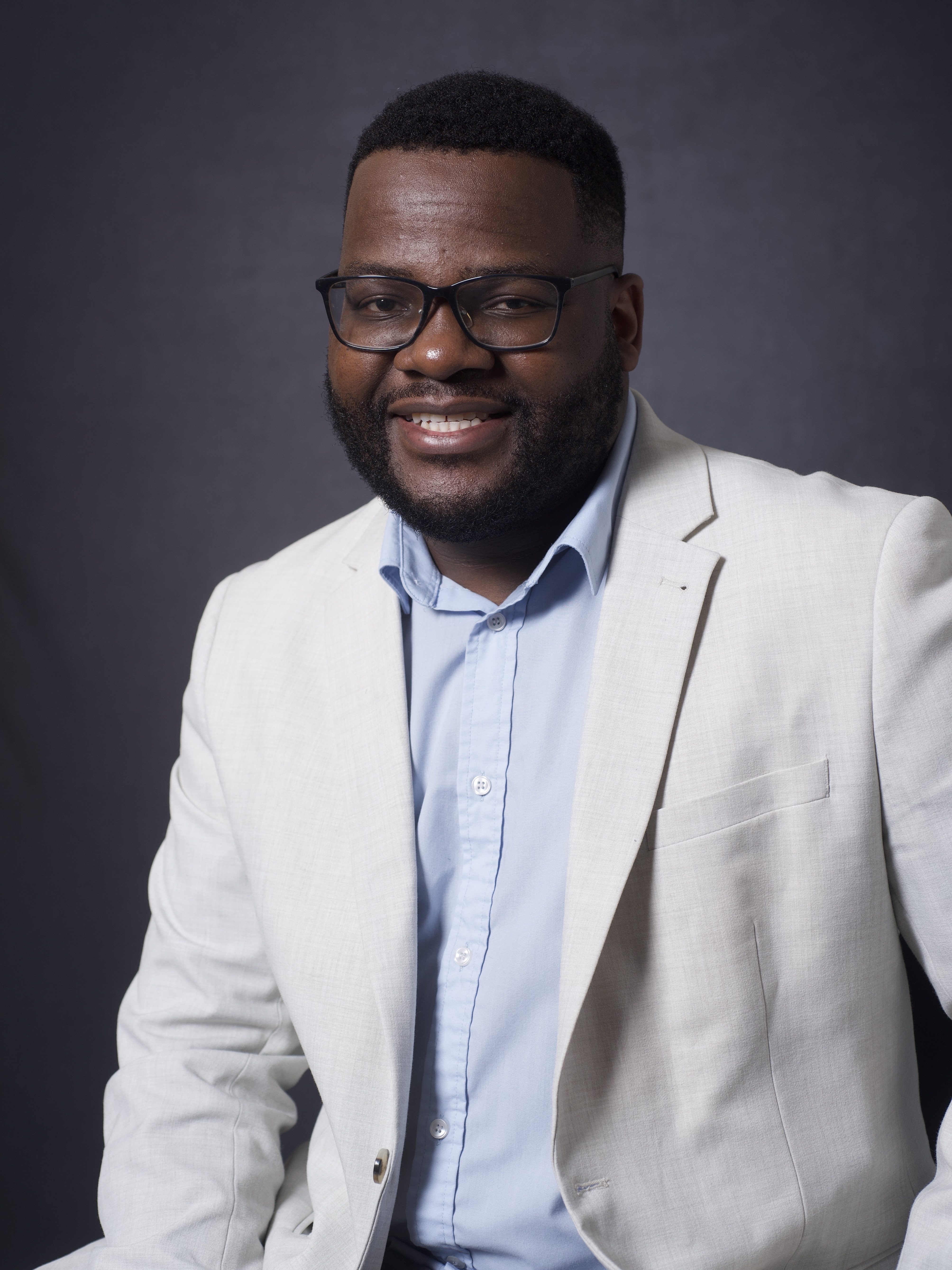
Mnotho Ngcobo, PhD, LLM, LLM
Mnotho Thamsanqa Ngcobo is an Assistant Professor of Law at the University of Louisville’s Louis D. Brandeis School of Law, where he teaches Administrative Law and Public Health Law. His research focuses on health law, bioethics, and the legal and ethical dimensions of informed consent within complex clinical environments. He examines how modern medical practices and institutional structures shape patient autonomy, vulnerability, and the quality of decision-making in clinical care. His work draws on legal doctrine, ethical theory, and practical challenges in contemporary medicine to explore how patients and clinicians navigate increasingly demanding forms of information disclosure.
Professor Ngcobo has presented nationally and internationally on topics related to medical ethics, patient rights, artificial intelligence in healthcare, and regulatory design. He is completing his Doctor of Laws at the University of South Africa, where his dissertation analyzes the evolving role of consent in settings marked by uncertainty, complexity, and rapid innovation. His broader research agenda engages questions of justice, dignity, and responsibility in healthcare systems, and seeks to identify practical reforms that protect patients while supporting ethical clinical practice. In both his teaching and scholarship, he aims to bridge theoretical insight with the realities faced by clinicians and patients in everyday care.
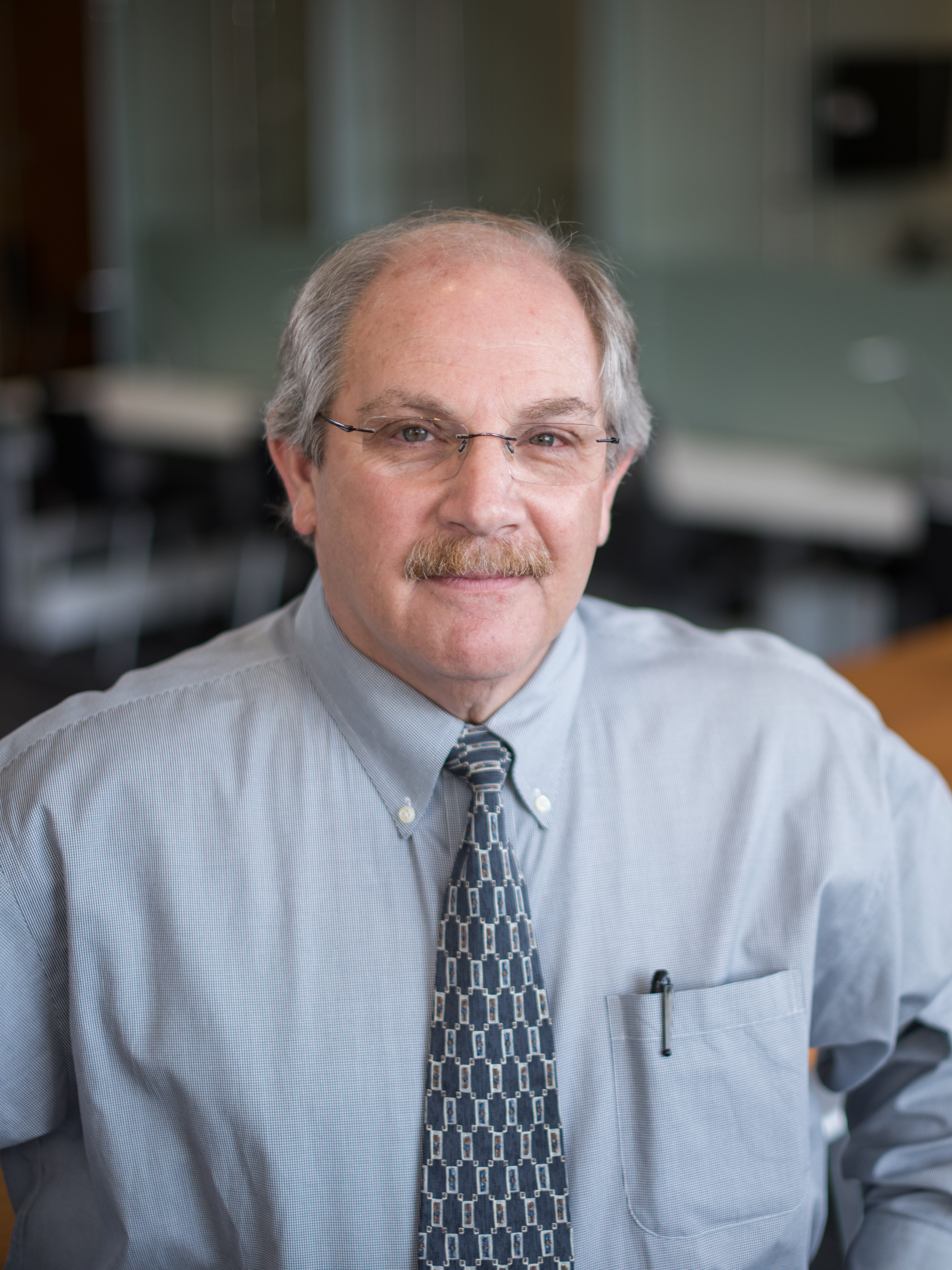
David Beyda, MD
David H. Beyda, MD, is the Chair and Professor in the Department of Bioethics and Medical Humanism at the University of Arizona College of Medicine – Phoenix. He is an accomplished Master Educator and a retired pediatric critical care physician with more than 40 years of experience practicing pediatric critical care and bedside ethics at Phoenix Children’s Hospital. He teaches the ethics curriculum throughout the four years of medical education at the University of Arizona College of Medicine-Phoenix. He engages in medical humanism through the lenses of medical ethics at the bedside, stressing “who” the patient (personhood) is while addressing “what” the patient (disease) is. He received the Master Educator Award from the graduating medical students twice, in 2014 and 2018, as the educator whom the medical students looked to as their most crucial mentor, providing them with what they needed in their journey to becoming physicians. He was a Visiting Fellow at the Center for Clinical Bioethics and a Visiting Scholar at the Kennedy Institute of Ethics at Georgetown. He has written three books: “Covenant Medicine: Being Present when Present, Border Crossings: It’s not what we bring, but what we leave behind, and Who’s more important: you or me?”.
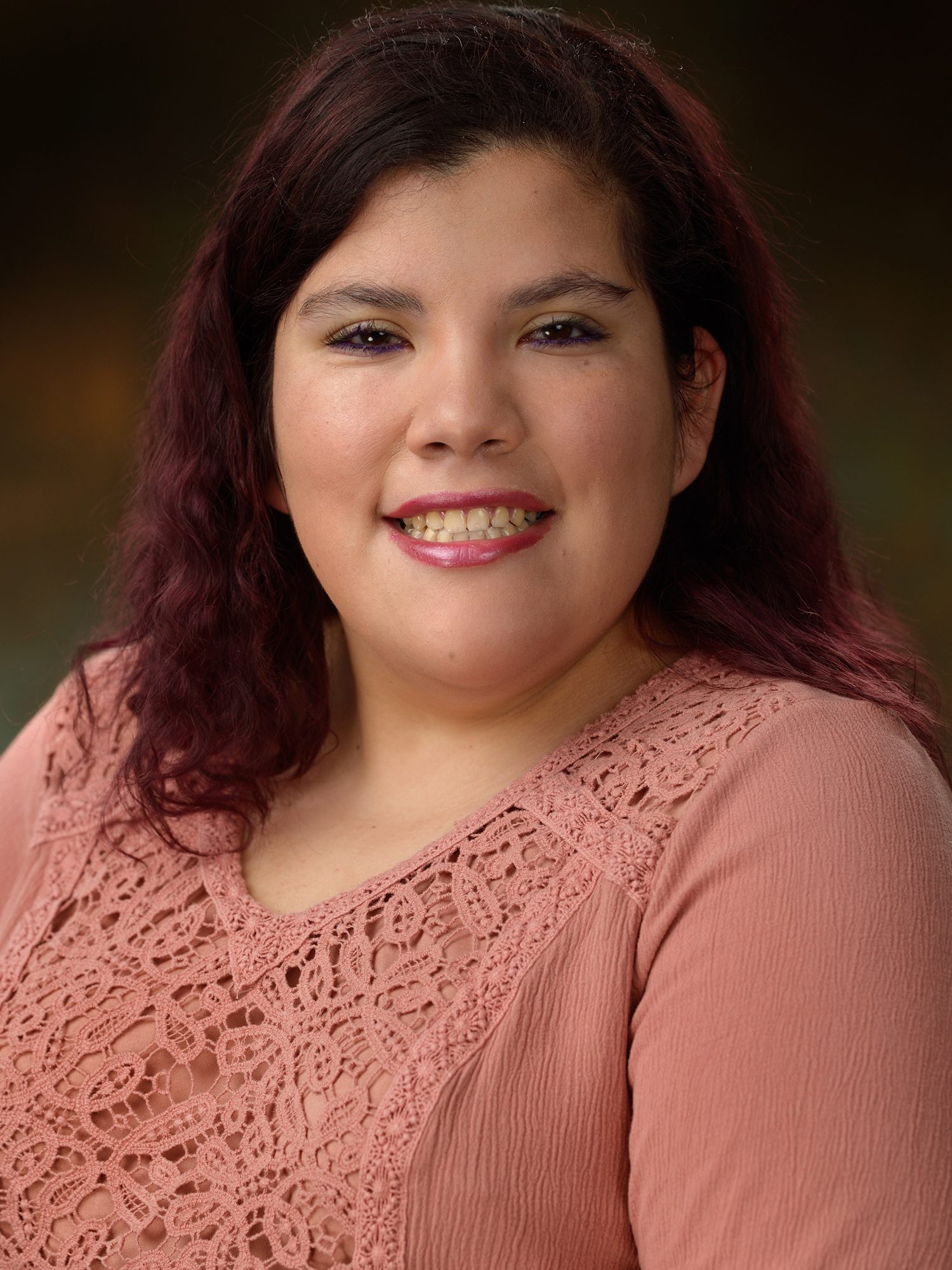
Natalie Peters, MAPS, BCC
Natalie Peters joined Texas Children’s Hospital as a chaplain in April 2018. In July 2023, she was promoted to Spiritual Care Clinical Specialist, a first for the Texas Children’s system. She completed a year of Clinical Pastoral Education residency at CHI Baylor St. Luke’s Medical Center and Texas Children’s Hospital in 2016. Immediately after residency, she served as a night staff chaplain for both St. Luke’s and Texas Children’s Hospital before joining TCH staff full time in April 2018. Prior to her hospital ministry, Natalie served as an Assistant Youth Minister and Adult Faith Formation Coordinator at a local Catholic parish in Houston. She received her Bachelor of Arts in Theology degree from St. Mary’s University in San Antonio, TX and her Master of Arts in Pastoral Studies degree from University of St. Thomas in Houston, TX. At Texas Children’s Hospital, Natalie has served in the Newborn Center (Neonatal Intensive Care Unit) as well as the Cancer Center at Texas Children’s Hospital Medical Center Campus. Natalie is a lifelong Catholic and is board certified though the National Association of Catholic Chaplains.
Chad Moretz, ScD
Dr. Moretz is a senior health economics and outcomes research (HEOR) leader with more than three decades of experience driving evidence generation, value demonstration, and market access strategy across pharmaceuticals (GSK), payer organizations (Humana), diagnostics, and genomic medicine.
Chad currently serves as Director of HEOR – Market Access at Baylor Genetics, where he leads real‑world evidence, economic modeling, and payer-focused value strategies to support adoption and reimbursement of advanced genetic and genomic testing. His work focuses on translating clinical and economic evidence into actionable insights for payers, providers, and policy stakeholders.
Previously, Chad was HEOR Lead at Invitae, where he supported evidence development and access strategies for hereditary disease, oncology, and non-invasive prenatal testing portfolios. Prior to that, he served as Principal/Vice President of HEOR at Inovalon, partnering with life sciences organizations to generate real‑world insights using large-scale healthcare data.
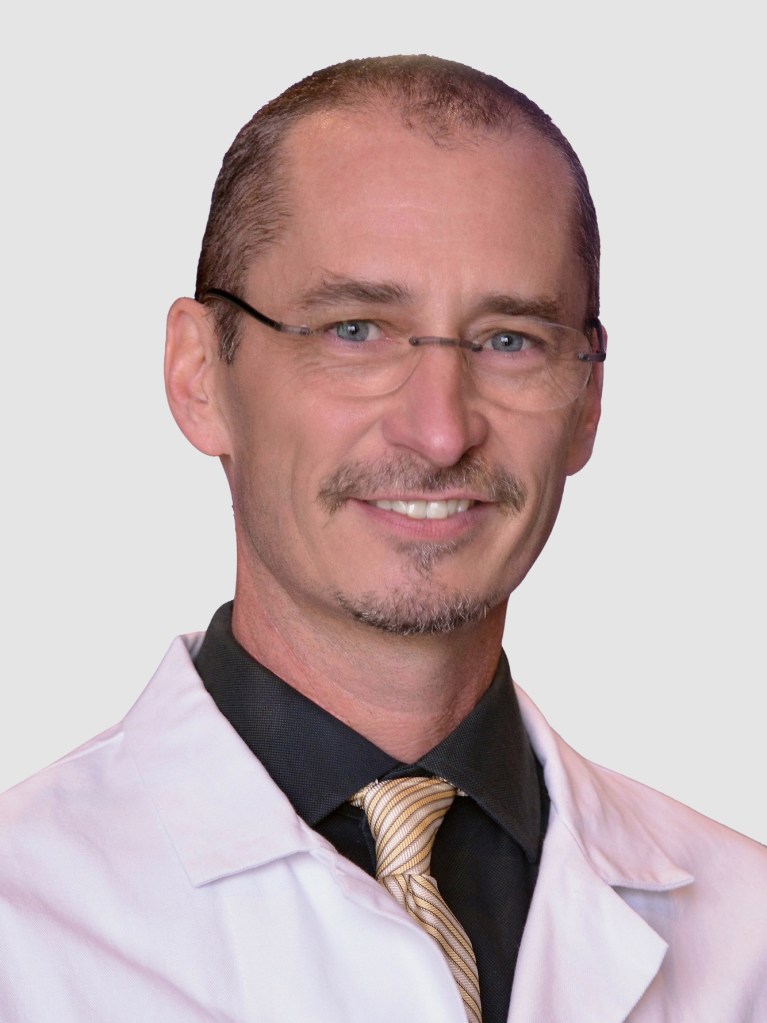
David Mann, MD, DBe, HEC-C
Dr. David Mann is a Maternal-Fetal Anesthesiologist at Texas Children’s Hospital. His training is extensive – after starting his career as a medical physicist, he changed course, became a physician, and completed his anesthesia residency at the University of Pennsylvania. He then completed fellowships in pediatric general and pediatric cardiothoracic anesthesia at CHoP followed by a fellowship in obstetric anesthesia at UPenn. David was recruited to TCH in 2008 to provide both pediatric and obstetric anesthesia. In 2018 he completed a doctorate in Clinical Ethics. He spends his clinical time on the Maternal Fetal Anesthesia Service and leads the Texas Children’s Clinical Ethics Service and serves as Chair of the Fetal Therapy Board. He has a special interest in ethical issues surrounding fetal interventions, fertility preservation for oncology patients, and organ donation and has been invited to present nationally and internationally on
these and other topics.
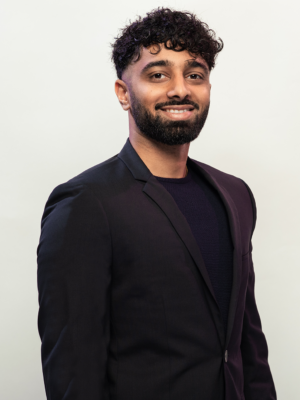
Bharat Rai, MSc
Bharat Rai is the founder of Ethos, an AI-driven clinical decision support platform focused on early identification, risk stratification, and care optimization for behaviorally driven chronic diseases. His work sits at the intersection of machine learning, clinical ethics, and health-system implementation, with a particular emphasis on responsible AI deployment in high-stakes settings such as transplant medicine.
Bharat has collaborated with major academic medical centers, including Mayo Clinic, on the development and validation of machine learning models using large-scale retrospective EHR data. His research focuses on translating predictive models into clinically actionable tools that support physician judgment, while addressing concerns around bias, transparency, and equitable access to care.
At the Ethics Medicine Innovation Conference, Bharat will present his work on AI-based risk stratification in liver transplant selection for alcohol-related liver disease, exploring both its clinical implications and ethical considerations.
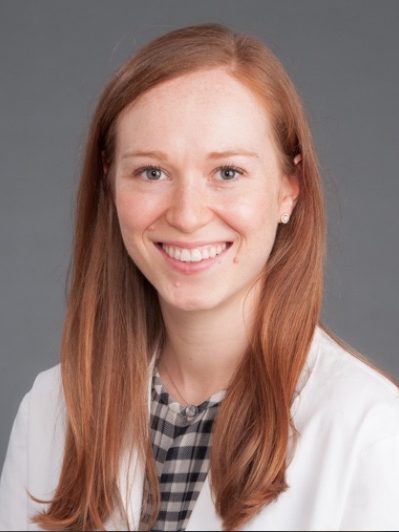
Sophia Lindekugel, MD
Dr. Sophia Lindekugel is a 2nd year reproductive endocrinology and infertility fellow at the Baylor College of Medicine. She has a long-standing interest in ethics and decision-making stemming from her undergraduate study of philosophy and psychology at Wellesley College. She completed her OBGYN residency at Wake Forest School of Medicine, where she will join as faculty after completion of fellowship.
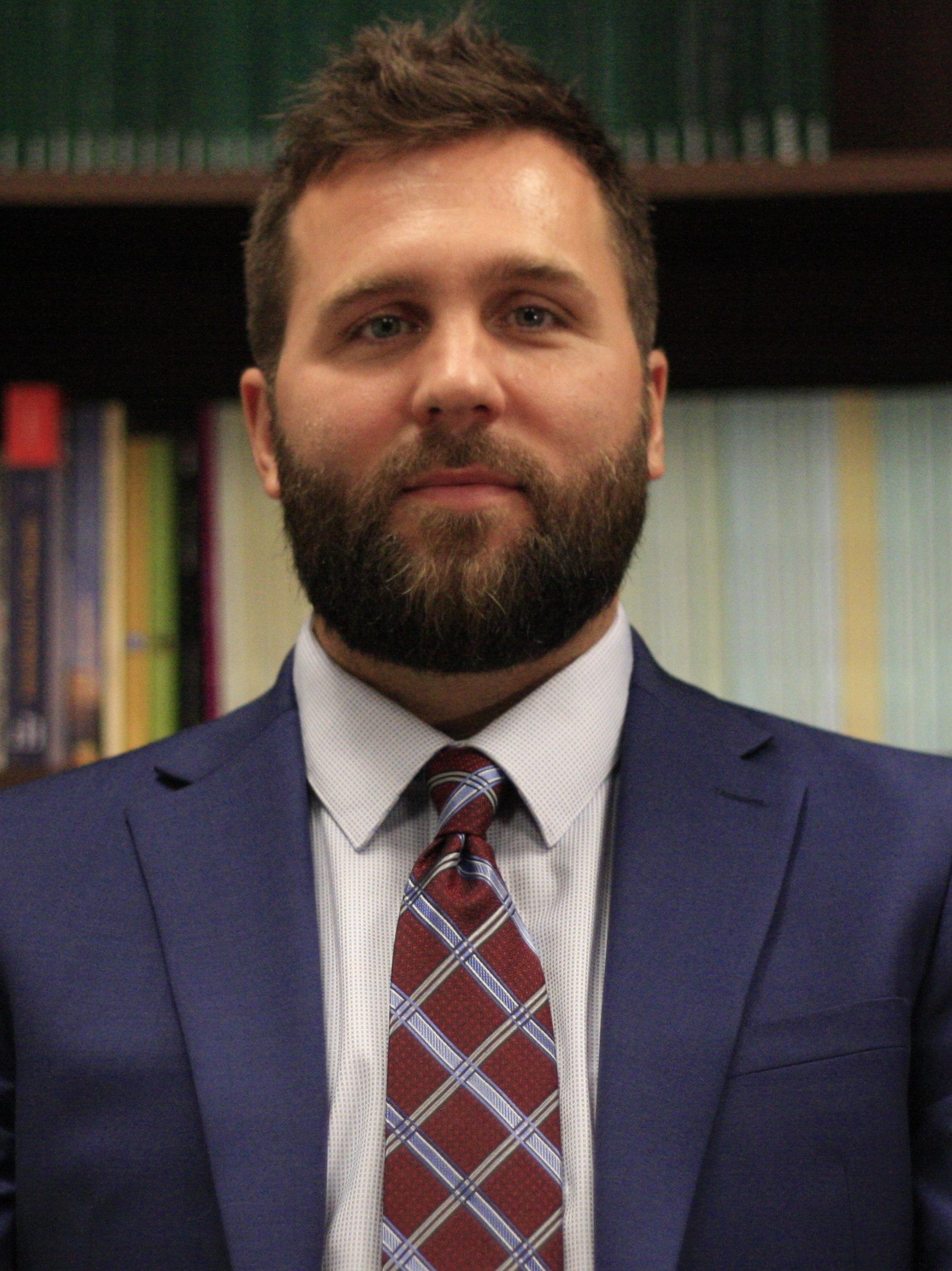
Ryan Lemasters
Ryan Lemasters is a PhD student in the Department of Philosophy at the University of Kansas and serves as the founder and current co-head coach of KU’s undergraduate ethics bowl team. He holds an MA in Philosophy from Eastern Michigan University and an MA in Comparative Religion from Western Michigan University. His research interests include bioethics, philosophy of religion, and social metaphysics. Ryan’s current research is sponsored by the Templeton Religion Trust where he is working on an interdisciplinary project titled “Intellectual Humility, Courage, and Religious/Spiritual Literacy and their Roles in Covenantal Pluralism.”
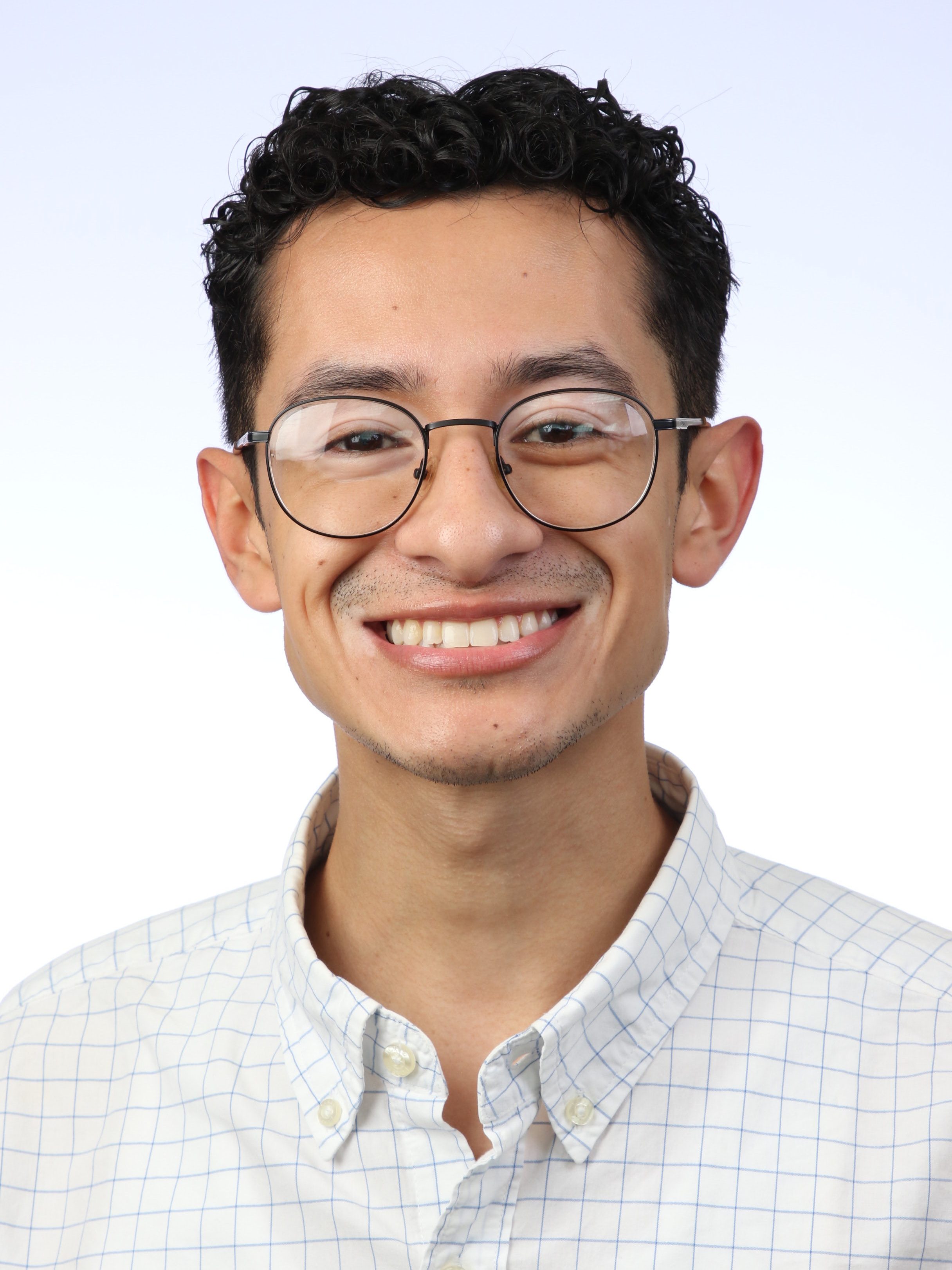
Alejandro Vera, MSc
Alejandro Vera (he/him) is a first-year PhD student in Bioethics and Health Humanities at the University of Texas Medical Branch. Alejandro holds a M.Sc. in Medical Humanities from the University of Rochester School of Medicine & Dentistry and a B.A. in Bioethics from the University of Rochester. His primary research interests include complex and chronic illnesses, qualitative research methods, lived experiences, embodiment, and narrative medicine.
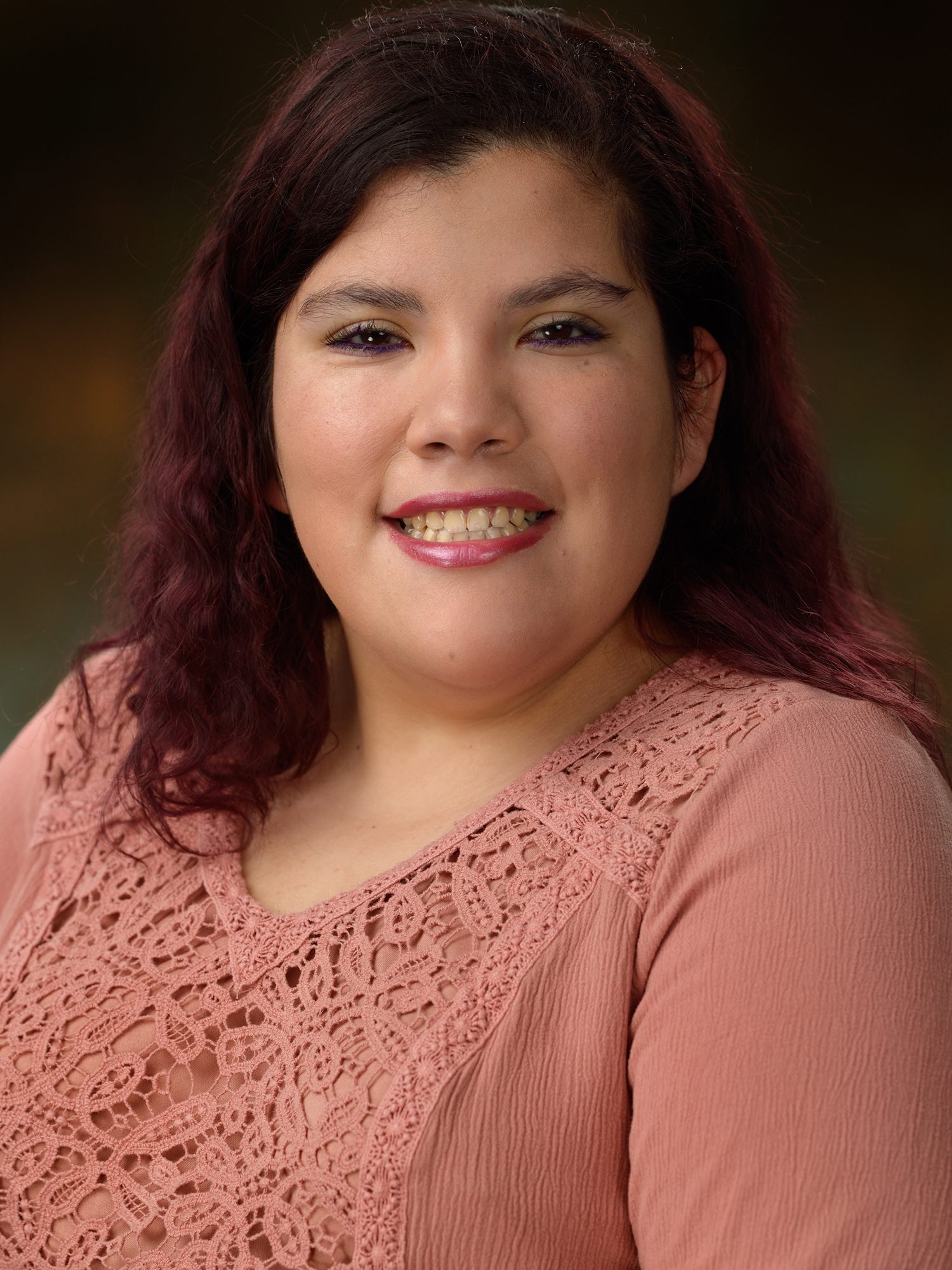
Natalie Peters, MAPS, BCC
Natalie Peters joined Texas Children’s Hospital as a chaplain in April 2018. In July 2023, she was promoted to Spiritual Care Clinical Specialist, a first for the Texas Children’s system. She completed a year of Clinical Pastoral Education residency at CHI Baylor St. Luke’s Medical Center and Texas Children’s Hospital in 2016. Immediately after residency, she served as a night staff chaplain for both St. Luke’s and Texas Children’s Hospital before joining TCH staff full time in April 2018. Prior to her hospital ministry, Natalie served as an Assistant Youth Minister and Adult Faith Formation Coordinator at a local Catholic parish in Houston. She received her Bachelor of Arts in Theology degree from St. Mary’s University in San Antonio, TX and her Master of Arts in Pastoral Studies degree from University of St. Thomas in Houston, TX. At Texas Children’s Hospital, Natalie has served in the Newborn Center (Neonatal Intensive Care Unit) as well as the Cancer Center at Texas Children’s Hospital Medical Center Campus. Natalie is a lifelong Catholic and is board certified though the National Association of Catholic Chaplains.
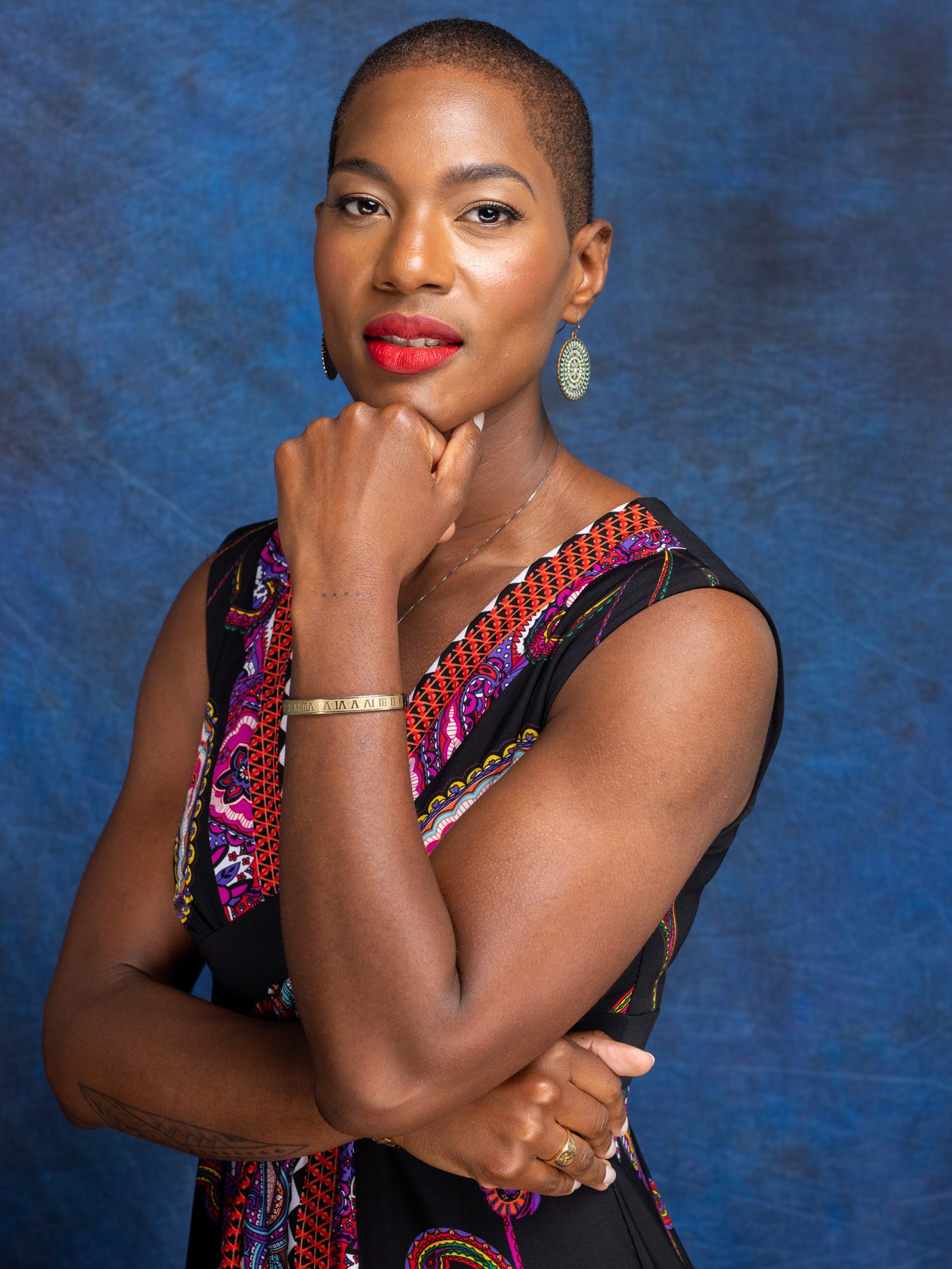
Alana Arnold, MD, MBA
Alana J. Arnold, MD, MBA is a board-certified Pediatrician and board-certified Pediatric Emergency Medicine physician and health systems leader focused on improving pediatric readiness and health equity in community and non-children’s hospital settings. She served as Network Director of Pediatric Emergency Medicine across a multi-site health network, leading standardized pediatric pathways, quality improvement, and simulation-based training to reduce variability, improve safety, and strengthen frontline team performance. Dr. Arnold is the founder of PEMPal, an EHR-embedded pediatric clinical decision support and training toolkit designed for community emergency departments and urgent cares. PEMPal helps teams deliver evidence-aligned care at the point of decision-making—supporting reliable triage, dosing and pathway selection, documentation integrity, and operational consistency—while prioritizing transparency, clinician oversight, and measurable outcomes. She works at the intersection of clinical operations, digital health innovation, and ethics in implementation, partnering with health systems and clinical groups to translate pediatric readiness into real-world improvements in throughput, patient experience, and avoidable transfer/return-visit reduction. Dr. Arnold speaks nationally on pediatric readiness, responsible clinical AI, and the economics of reliable care delivery, and advises on scalable, outcomes-driven innovation for healthcare organizations.
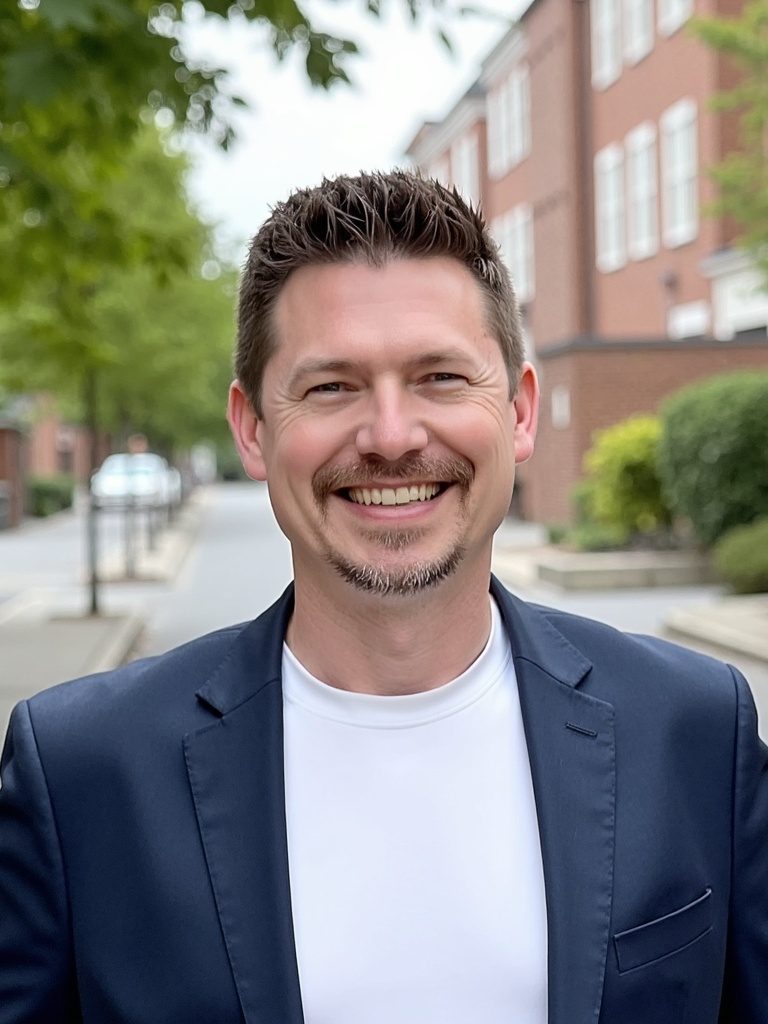
Ben Slabaugh, MA
Ben Slabaugh is an experienced healthcare professional with strong background in patient advocacy, navigating health systems, people leadership, problem-solving, clinical ethics, and health policy. He is a current doctoral student at Loyola University Chicago and is expecting to graduate in May 2026. He is also a former Clinical Ethics Fellow at the Chicago-based Endeavor Health System, an Alpha Sigma Nu Jesuit honor society inductee, and a long-time community ethicist member of the MultiCare Deaconess Hospital ethics committee in Spokane, Washington. Ben currently works at Neurocrine Biosciences as an associate director of patient advocacy and engagement.
Alexander Hutchison, PhD
Alexander Hutchison is a fitness and wellness expert in Dallas, Texas. Dr. Hutchison received his PhD in Exercise Physiology from the University of Houston and completed an NIH-funded postdoctoral fellowship in HIV/AIDS immunology at the University of Texas Health Science Center in Houston, Texas. His two areas of study are the immune system’s response to both acute exercise and overtraining, and the genetic basis for the expression of skeletal muscle fiber types.
Zbigniew Starosolski, PhD
Dr. Zbigniew Starosolski is marked by his contributions to control theory, medical image processing, machine learning, and AI applications in healthcare. He earned his master’s degree in 1999 and completed his PhD in Control Theory in 2004 at Silesian University of Technology’s Faculty of Automatic Control. He then served as an Assistant Professor there for over ten years. In 2011, he took a Postdoctoral Fellowship at the School of Biomedical Informatics at The University of Texas Health Science Center in Houston. His work in the Texas Medical Center began that same year when he joined Texas Children’s Hospital as a Senior Research Scientist. He has also held a faculty appointment at Baylor College of Medicine since 2013, where he is an Associate Professor of Radiology. As a Manager of the Basic Research Program at TCH and an Associate Professor at Baylor, he has led efforts to develop automated image-processing pipelines and rapid prototyping frameworks for clinical use. His research focuses on medical image processing, classification algorithms, machine learning, and the practical utilization of AI in both pre-clinical and clinical settings. He has authored numerous peer-reviewed articles, abstracts, and papers presented at international meetings.
Chase Prieve
In 2019, Chase Prieve founded Hi There Solutions LLC with his Dad/Co-Founder, John Prieve, after experiencing firsthand the challenges the D(d)eaf and Hard of Hearing community experience every day in the hearing world and on the belief that accessible communication is currently a privilege when it should be a right. Hi There Solutions LLC developed and launched two award-winning communication accessibility mobile apps, Hi There!!! and Just Talk!, to help this underserved community. Chase graduated from the University of Colorado – Leeds School of Business with a Bachelor of Science degree in 2014. Upon graduation, Chase embarked on his professional career journey within the telecommunications industry at companies including AT&T, RingCentral, and Comcast Business.
Junior Presenters
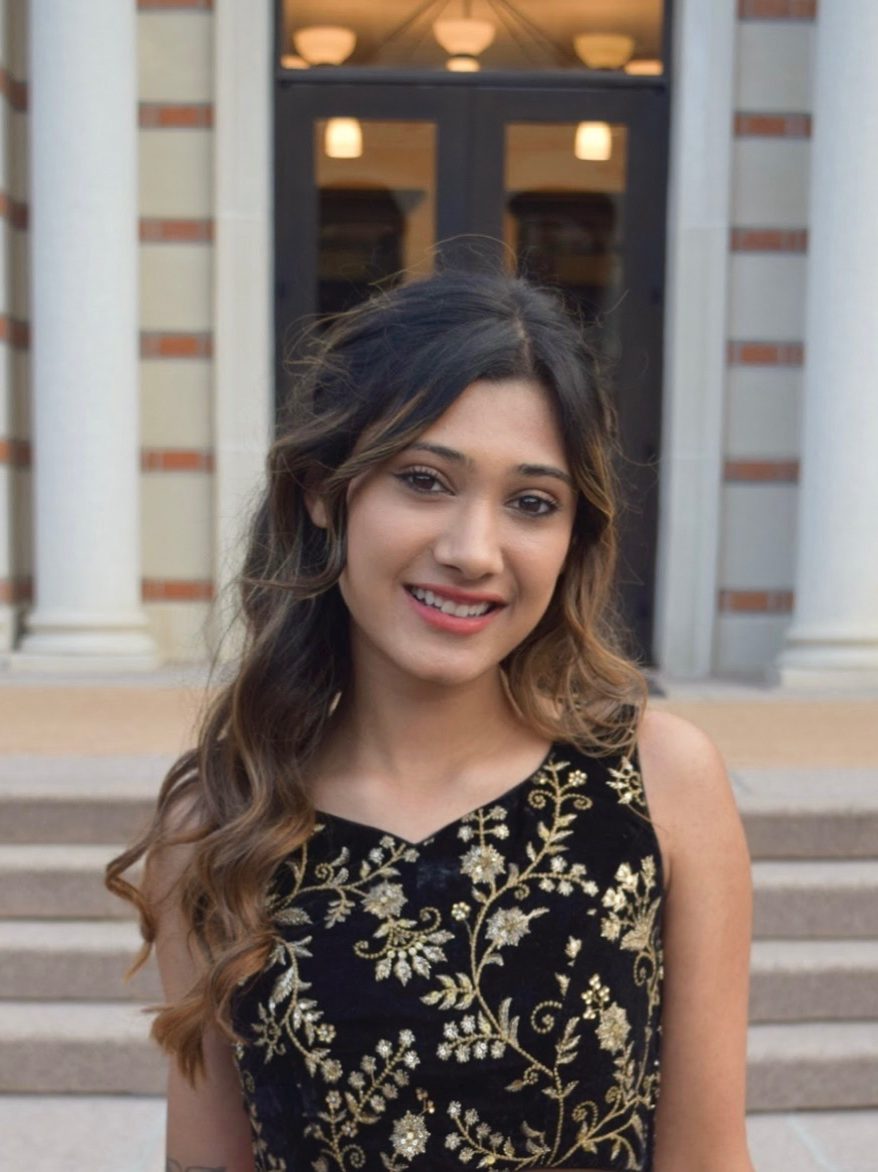
Annesha Dey
Through their academic and professional backgrounds, including EMT service, philosophy courses, and clinical exposure, Annesha and Sam found themselves drawn to an opportunity to explore the family-provider relationship through the lens of pain at Texas Children’s Hospital (TCH). Pursuing a year-long research study with Rice University’s Medical Humanities Research Institute, the team worked with Drs. Natasha Afonso, Aarti Bavare, and Paul Checchia at TCH. They conducted 62 interviews with both pediatric care providers and patient families, distilling all of their observations and data into a spectacular 2nd place poster in the 2025 Medical Humanities Showcase, and a manuscript that is currently in the publication process. In the context of pain management, children, particularly those below the developmental stage of speaking, are incredibly vulnerable. Through highlighting the perspectives of a diverse set of stakeholders, Annesha and Sam shed light on the current state of pain management in pediatrics and potential routes for improvement.
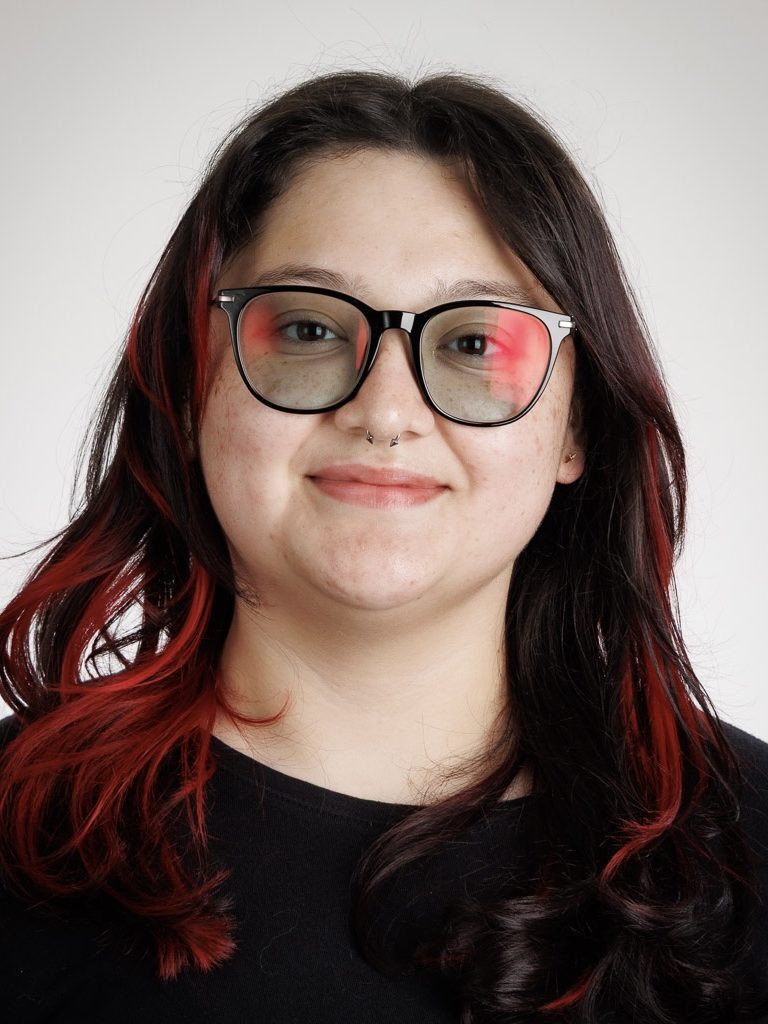
Jennifer Escobedo
Graduate of the Honors College and College of Natural Science and Mathematics at the University of Houston. Biology B.S and Medicine and Society minor. Pursuing a career in the Medical Laboratory Sciences.
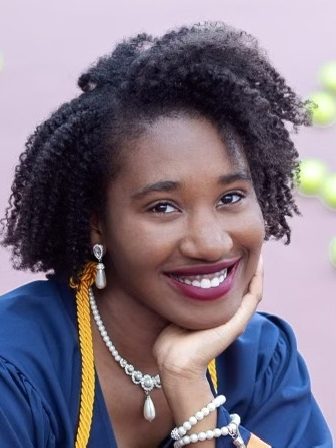
Esther Nwana
Esther is a premedical student majoring in Biomedical Sciences at the Honors College of the University of Houston. She is also pursuing a minor in Medicine and Society to gain a well-rounded and community-focused understanding of healthcare professions. Her main career interests are in the health and research sectors as she is working towards becoming a physician-scientist. Outside of school, she spends her time volunteering in the community and working in STEM education.
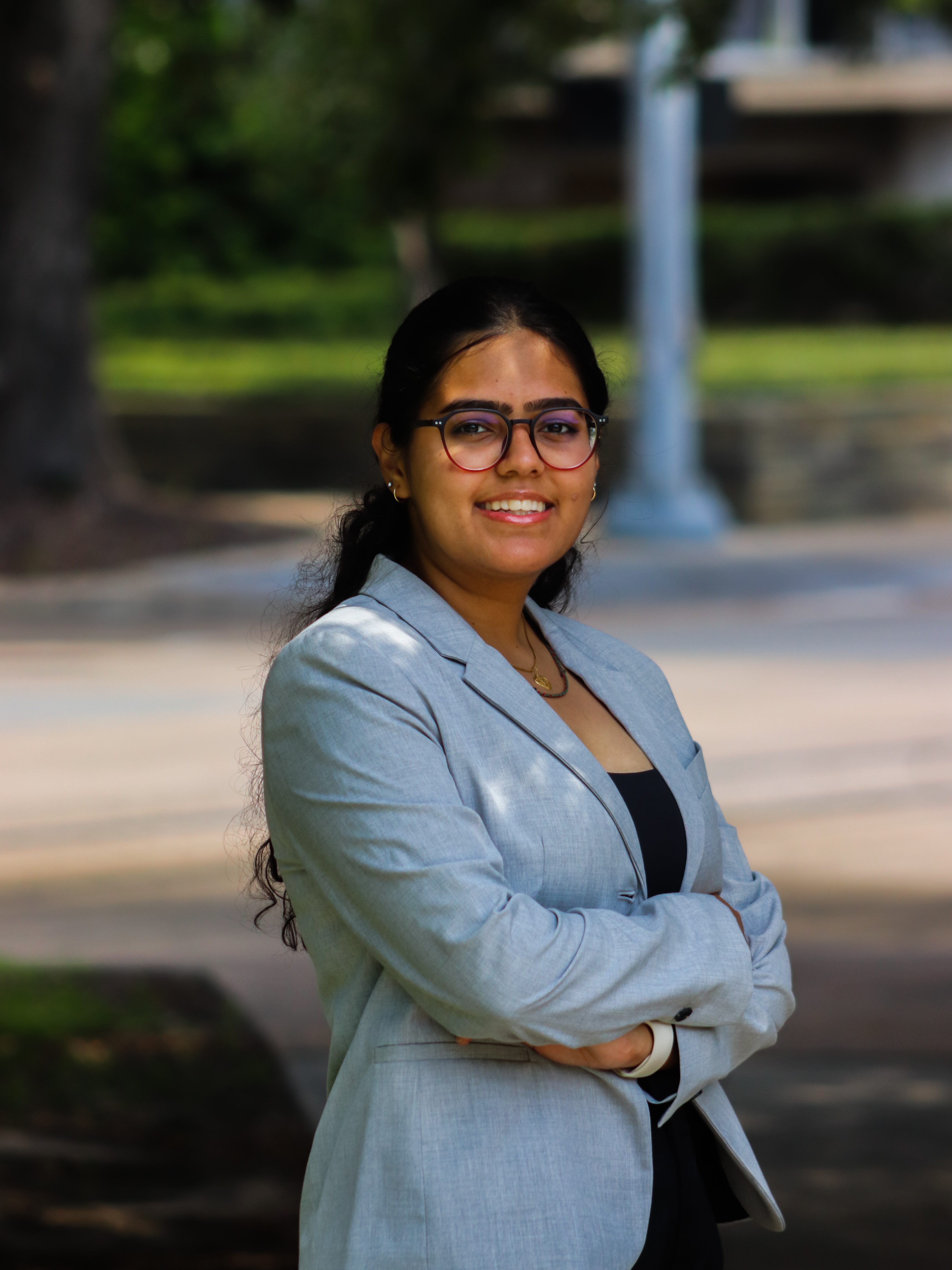
Faiza Sachwani
Faiza is a senior at the University of Houston majoring in Human Nutrition and Foods with minors in Biology and Management & Leadership. She is on the pre-medical track and aspires to become a surgeon serving underserved and underprivileged communities. Her academic interests center on the intersection of nutrition, health equity, and clinical care.
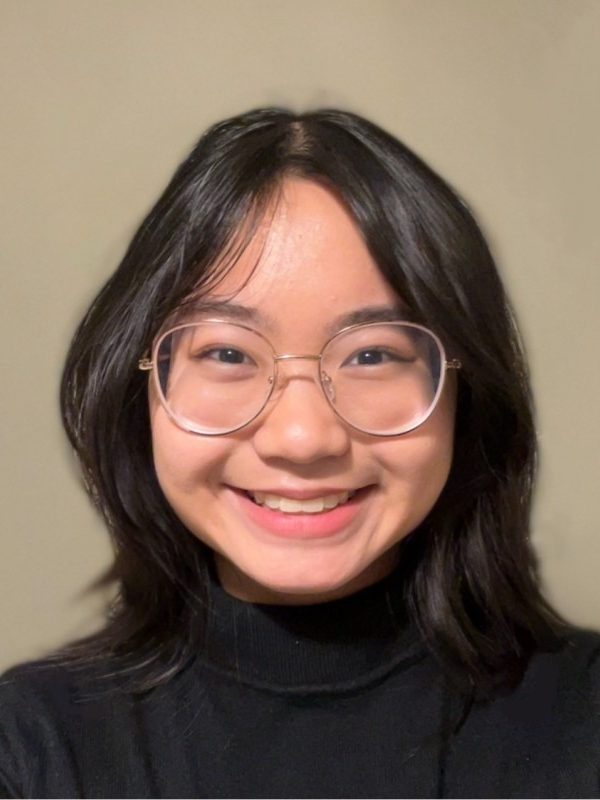
Kimberly Hoang
Kimberly, a second year Biology & Biotechnology undergraduate at the University of Houston, is developing her clinical interests with aspirations to become a physician-scientist. She is assisting research at the UH Cullen College of Engineering and Baylor College of Medicine with focuses within immunology and oncology. Guided by the philosophy “a problem well-defined is half solved,” she aims to contribute to diagnostic research that will directly improve accessibility and prognoses. Her involvement in ethics is driven by the desire to grow into a compassionate and dependable individual.
Additional speakers to be announced as presentations are accepted
Interesting in being a speaker? Submit an abstract:

 Ethics Medicine Innovation | April 16-17, 2026